Champagne
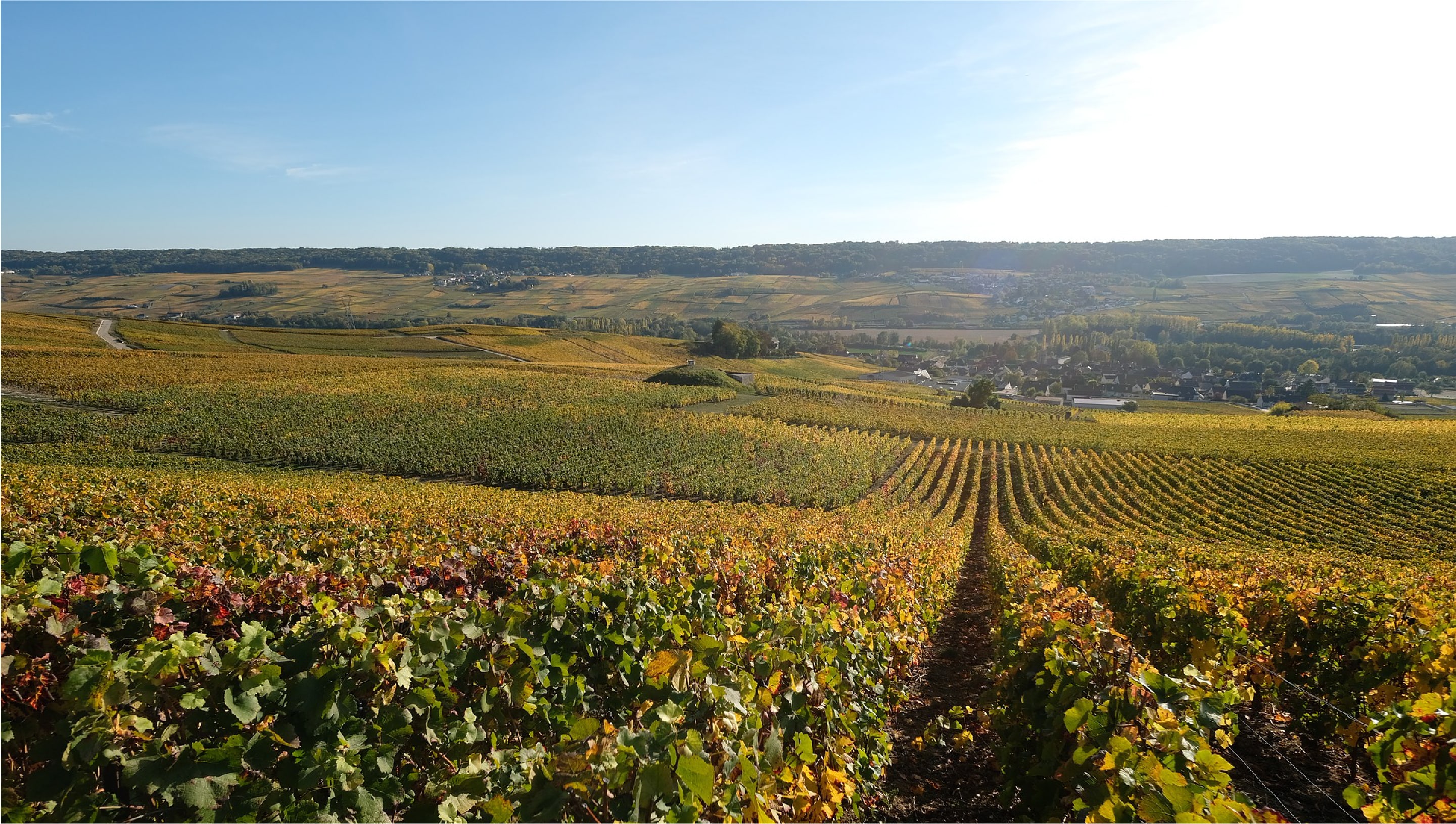
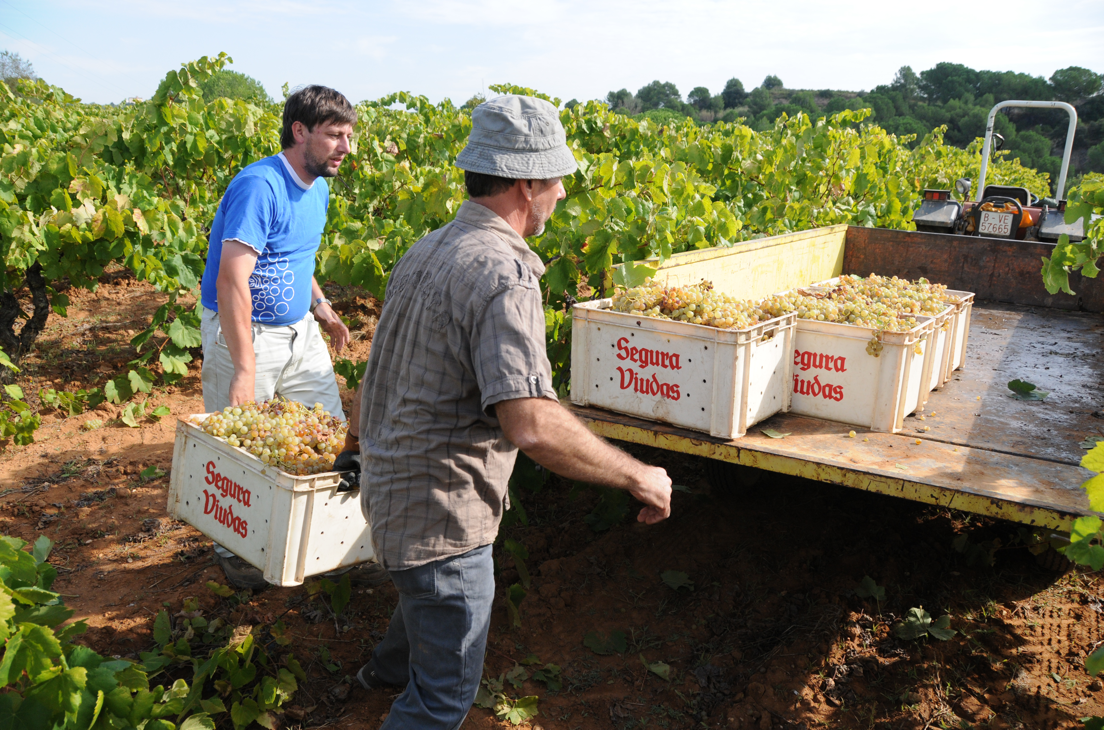
A frost free April and some fine weather in June for the flowering allowed the vines to set a large crop. July and August saw changeable weather: there was quite a lot of rain and the temperatures were often on the cool side. The vines were happy to carry on growing and the grapes took advantage of the plentiful moisture to swell. The combination of plentiful bunches and large berries accounted for the enormous size of the crop. The negative side of this humidity was that it encouraged the development of Botrytis cinerea (grey rot). The weather changed completely in September: the rain disappeared and temperatures shot up. The official start of the harvest was 2nd September. Given the heat and the residual risk of fungal infections the fruit was gathered at pace. Chardonnay is the variety of the vintage, having largely brushed off the disease threat and come through in good form. The picture for the Pinot Noir and Meunier is variable: these black varieties are more susceptible to grey rot and so 2023 is a year when rigorous selection was crucial in the vineyard and press house. As indicated the vines produced a huge tonnage of grapes. The official yield limit in 2023 for Champagne production was 11,400 kg/ha, with up to another 10,000kg/ha allowed to go into a strategic reserve (for use in smaller vintages).