South Africa
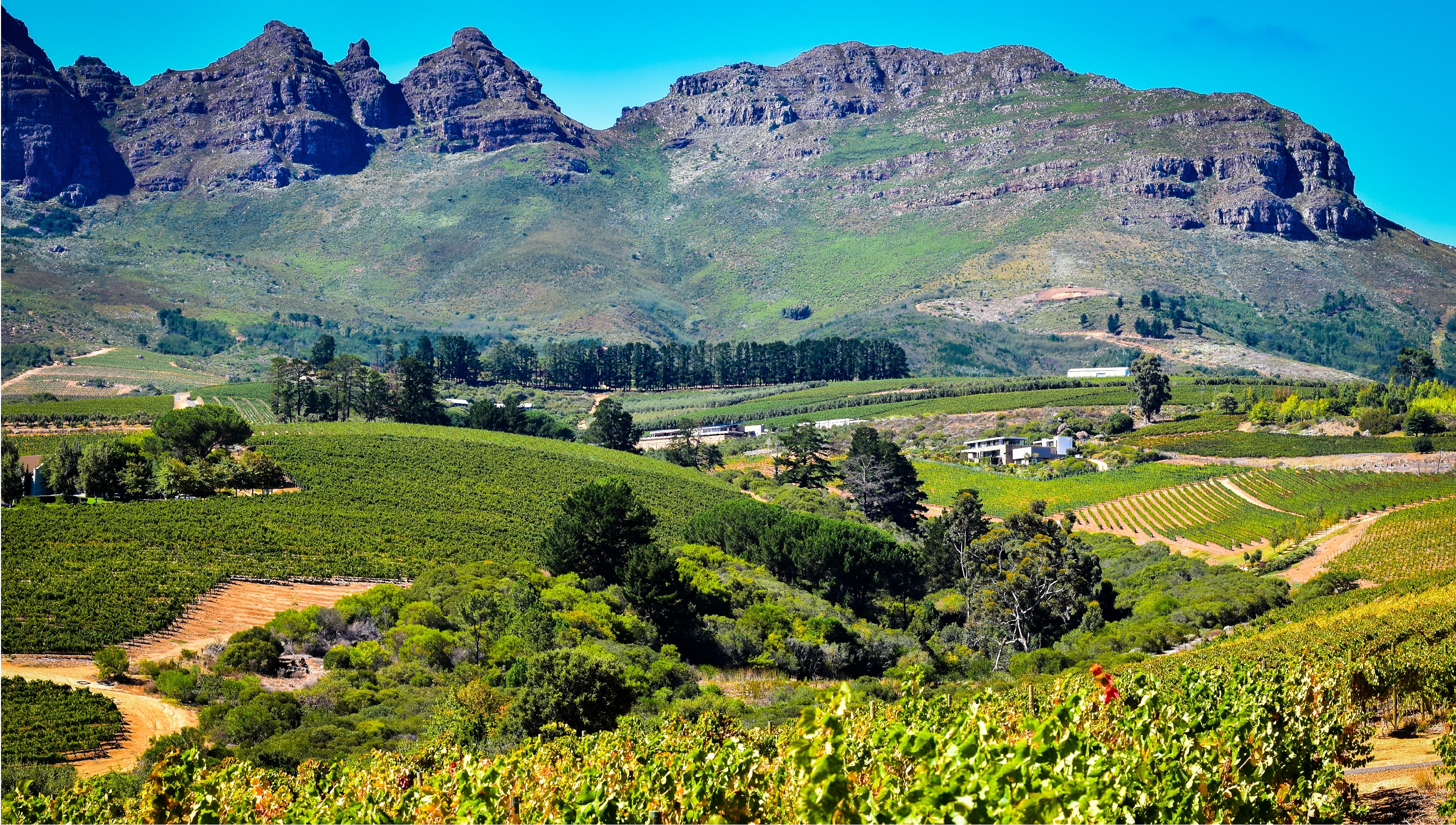
Winter in the Cape was warmer and drier than normal. This triggered an early bud burst and an early flowering. The fruit set was relatively light. The arrival of summer was greeted by an entirely unseasonal downpour during the second week of December. Whilst this eliminated any threat of water stress it raised the risk of fungal disease. The rest of the summer was a tad cooler than usual, slowing down the development of the grapes. Harvest got underway at the beginning of February under favourable conditions but big challenges came towards the end of the month when heavy rainfall returned. There were two further bouts of torrential rain in March, slap bang in the middle of the black grape harvest. Clearly the viticultural and winemaking teams had to make some tough calls: pick early and face a lack of ripeness or pick later and run the risk of rot and dilution. Doubtless there will be some successes, but overall quality will be patchy. As expected, yields were down: by 14% against 2022 and by 12% against the five year average. That said, weak export shipments have suppressed any marked upward pricing pressure. As in Australia, there is a reasonable balance of supply and demand for white wine whereas there remains a sizeable volume of red wine trying to find a home.