France
BORDEAUX
Bordeaux is going through a tough period and the 2023 vintage did nothing to raise spirits. That said, the growing season got off to a good start with an early bud burst and mercifully no frost. The vines developed well and the flowering passed without incident. It was then that the problems started. June was characterised by a series of storms, with heavy rain and high temperatures: the ideal conditions for mildew and black rot. The weather was a little better in July but fungal diseases remained a threat. After heavy rain on 15th August, the rest of that month brought more stable summer weather and by the beginning of September it was getting seriously hot. Challenges still abounded though with many vineyards in Bordeaux experiencing infestations of “grape worm” and good old fashioned grape desiccation. The harvest kicked off at the end of August. The Sauvignon Blanc was arguably the stand out success in 2023, this variety survived the depredations of the summer and posted healthy yields. By contrast the Merlot was battered by mildew, wilting, and in some cases dilution courtesy of the summer rain: the resulting crop was chaotically heterogenous. The one ray of sunshine on the red wine front is that the tougher, later ripening Cabernet Sauvignon came through in much better shape than the Merlot. The total Bordeaux vintage in 2023 is down 8% on 2022 and down 16% against the five year average.
BURGUNDY
Winter 2023 in Burgundy was relatively mild and dry. Nevertheless, bud burst was a little later than usual, helping the vines negotiate the scary spring frost window in April. The flowering was rapid and successful, allowing the vines to set a large crop. June was hot and thundery, as was July to a slightly lesser extent. There was some localised hail damage. However, whilst the threat of fungal disease was ever present (downy mildew, oidium and black rot), there were few reports of damage on the scale experienced in Bordeaux. Rainy episodes continued into August, but towards the end of that month a heatwave appeared that lasted into September. This accelerated the ripening and triggered the start of the harvest. From Chablis down to Mâcon, growers seem to be delighted with the Chardonnay crop, both in term of quantity and quality. There is a lot more discussion surrounding the Pinot Noir, where yields were very high and some berries raisined in the searing heat. With careful sorting it should be possible to make really good wines, but it sounds as if there could be quite a lot of dilute and/or overcooked dross as well. The Gamay is less of a prima donna than Pinot Noir and the new wines in Beaujolais seem to be vibrant and fruity. The total Burgundy crop (including Beaujolais) was enormous: up 12% on 2022 and up a staggering 22% on the five year average.
ALSACE
Alsace was spared a lot of the weather and disease challenges that plagued other parts of Europe during the spring and early summer. Overall the weather was sunny and dry, with the vines able to set a decent sized crop. However, during the second half of July the weather deteriorated. Strong winds, heavy rainfall and low temperatures were experienced. When the high humidity persisted into August growers noticed a rapid spread of oidium (powdery mildew). Things could have got worse but from mid August onwards the skies cleared and the disease pressure lessened. A late summer heatwave between 8th and 13th September caused a precipitous acceleration in ripening. The earlier ripening grapes (the Pinots in particular) were gathered in short order followed by the later ripening varieties such as Riesling when the temperatures eased off. Quality in general should be good. As far as quantities are concerned, 2023 was a pretty normal vintage: 5% up on 2022 and 3% down on the five year average.
LOIRE
Doubtless to the relief of everyone I can reveal that 2023 was spared from the scourges of recent years: there was very little frost or hail and definitely no drought or heatwaves. Rather, the defining features of this year were the persistent rain and the drastic swings in temperature. That said, as well as being frost free, the vines managed to flower successfully and set a large crop. It should come as no surprise that the main threat in 2023 came in the shape of fungal diseases, with mildew leading the onslaught. Fortunately, as in many parts of Europe, September saw some of the finest weather of year: it was warm, dry and sunny. The grapes were able to ripen well and the harvest passed without incident. Although there was regional variation, the overall Loire crop was large – up 21% on 2022 and up 18% on the five year average. Quality will be heterogenous though. However, there will be some fresh and vibrant whites, where the producers stayed on top of the weather and disease issues.
RHÔNE
Winter and the early part of spring were dry, creating anxiety that drought would be an issue later in the year. In the short term these worries were assuaged by heavy rain in May. Of course the downside of this moisture during the growing season is that it can encourage fungal diseases, such as downy mildew. That said, competent growers coped well. The vines rattled through the summer, helped in part by the fact that nowadays irrigation is permitted. This became particularly important when temperatures ramped up in the second half of August. The harvest was early and without incident. Producers seem to be very happy with their whites and rosés, not least because there is a tad more acidity in 2023 than there was in 2022. The reds should also very good, although there will be some heterogeneity in the Grenache (in part because the heatwave caused instances of raisining). The total crop across the “Sud Est” was normal (3% down on 2022 and 1% up on the five year average).
LANGUEDOC-ROUSSILLON
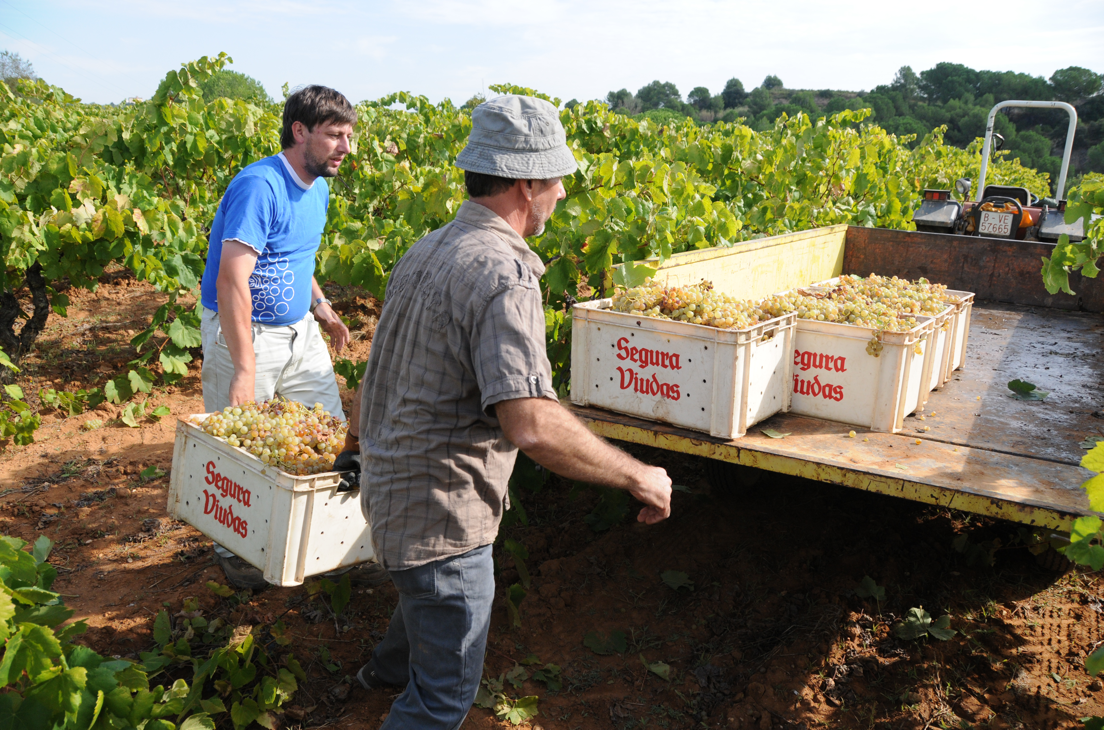
The writing was on the wall in Languedoc-Roussillon from the beginning of 2023, with a dry winter and early spring making drought a real possibility. Despite the absence of spring frost, growers remained nervous and irrigation water was already being applied in early May. Finally, in the second half of May there was heavy rain. However, the rainfall was not uniform. The flowering went surprisingly well and many vines set a large crop. The presence or absence of soil moisture became obvious during the long hot days of summer. Those vineyards that benefitted from the May downpours, and/or irrigation, were able to flourish. Those that did not struggled, with leaf loss, fruit desiccation and in a few drastic cases vine death. The harvest got underway in August with the earlier ripening white grapes and some of the black grapes destined for rosé and sparkling wine production. At the end of the month the temperature sky rocketed, peaking at over 40°C. It is a testament to the robustness of the traditional black varieties of Languedoc-Roussillon that they survived this late season roasting and were picked in good condition. The challenging weather means that there will be variability in quality although both Les Grands Chais and Sieur d’Arques (Aimery) seem happy with what they have in their cellars. As predicted the drought did hit the crop size. Overall production was down 15% on 2022 and 10% against the five year average.